
Different Countries, Different Education Systems — Same Hopes for Our Children
Different Countries, Different Education Systems — Same Hopes for Our Children
The education system may be different. The culture may be different. The expectations placed on children may be different.
But when we talk about our children, the things that matter most are remarkably universal.
We want our children to be happy.
We want them to feel loved, understood and nurtured. We want their strengths to be recognised and their needs to be supported. We want them to develop confidence in who they are and, importantly, to grow up with a genuine sense of belonging.
As I begin connecting with families, educators and schools in Singapore, I’ve been struck by how familiar many of the conversations feel.
The education system may be different. The culture may be different. The expectations placed on children may be different.
But when we talk about our children, the things that matter most are remarkably universal.

We want our children to be happy
We want them to feel loved, understood and nurtured. We want their strengths to be recognised and their needs to be supported. We want them to develop confidence in who they are and, importantly, to grow up with a genuine sense of belonging.
We want them to know that they are valued — not simply for what they achieve, but for who they are.
The questions parents ask are often the same
Throughout my work in gifted and neurodivergent education in New Zealand, I’ve had the privilege of talking with many parents who are trying to make sense of their child's experiences.
They might say:
“My child just doesn’t seem to fit at school.”
“They’re capable of so much more, but they’ve completely switched off.”
“Why are they struggling when they seem so bright?”
“Their behaviour is becoming a problem, and we don’t know why.”
“They don’t seem to have found their people.”
“What if we’re missing something?”
These questions can arise in any country. The details may vary, but the underlying concern is often the same:
Does my child feel understood?
When a child’s needs don't match their environment
For gifted and neurodivergent children in particular, the environment around them can make an enormous difference.
A child may be highly capable academically but struggling socially.
They may understand complex concepts but become overwhelmed by everyday classroom expectations.
They may appear unmotivated, disruptive or anxious when what they actually need is greater challenge, more flexibility, a different way of learning — or simply to feel that someone understands how their brain works.
Sometimes the difficulty isn't the child.
Sometimes there is a mismatch between the child and their environment.
Recognising that distinction can change everything.
It can shift the conversation from “How do we get this child to behave?” to “What is this child communicating, and what do they need in order to thrive?”
Belonging matters
One of the themes I have seen repeatedly in my work is the importance of belonging.
Children need to feel that there are people around them who understand them. They need opportunities to connect with others who share their interests, ways of thinking or experiences.
For some gifted and neurodivergent children, finding that sense of belonging can be particularly challenging.
They may feel different from their classmates. They may hide parts of themselves to fit in. They may struggle to find genuine friendships. Or they may begin to believe that being different means something is wrong with them.
Creating environments where children can be themselves — while also being supported to develop the skills they need to navigate the world — is incredibly important.
Belonging isn't about making every child the same. It's about making space for difference.
Different systems, shared responsibility
My work in New Zealand has given me many years of experience working alongside parents, teachers and schools to understand gifted and neurodivergent learners and advocate for what they need.
Now, as I build connections in Singapore, I’m looking forward to learning from a new education community.
There are, of course, important differences between the New Zealand and Singapore education contexts. Every education system has its own strengths, challenges and priorities.
But I believe there is enormous value in sharing experiences across those contexts.
What are we noticing in our children?
What is working?
Where are children falling through the gaps?
How can parents and schools work together more effectively?
And how can we create learning environments where children are not simply achieving, but thriving?
What does thriving look like?
For me, thriving is about more than academic success.
It is a child who understands themselves.
A child who knows their strengths.
A child who can increasingly advocate for what they need.
A child who has meaningful connections with others.
A child who feels safe enough to take risks, make mistakes and learn.
A child who knows that they belong.
And a child who has the opportunity to become the very best version of themselves — without having to hide who they are along the way. Whether a child is growing up in New Zealand, Singapore or somewhere else in the world, I think these are hopes that most parents would recognise.
Different countries. Different education systems. Different contexts.
But ultimately, the goal is the same: children who feel understood, valued and supported to thrive.
And that is a conversation I’m very much looking forward to continuing in Singapore.
About Katja
Katja Eager is an education consultant, parent advocate and founder of The Bright Line, supporting families and educators to better understand gifted and neurodivergent children.
With more than 15 years of experience in gifted education in New Zealand, Katja has worked alongside parents, teachers and school leaders to improve identification, engagement, wellbeing and outcomes for children whose needs may not always be immediately understood.
She founded The Head Office, a specialist one-day-a-week programme for gifted children in Taranaki, which grew to support around 150 children each week and developed strong relationships with 42 local schools. Her work has also included professional learning for educators from early childhood through to secondary school.
Now based in Singapore, Katja is building connections with families, educators and schools across Singapore and New Zealand, bringing together her experience in gifted education, neurodiversity and parent advocacy.
Her approach is practical, strengths-based and grounded in a simple belief: when children are understood, valued and supported for who they are, they are far more able to thrive.
What I’d Tell My Younger Self About Raising a Gifted Child
Support for parents of gifted and neurodivergent children
When my son was three, he taught himself to read.
Six months later, he was writing. As first-time parents, we were simply impressed — learning came easily to him, and we didn’t think much more of it.
By four, he was obsessed with astronomy, then chemistry, then physics. His curiosity was endless, and our weekly library trips became routine. We were proud… but there were also things that worried us.
He struggled to make friends. His interests were far beyond his peers. He was intensely perfectionistic, avoided anything he might fail at, and felt things deeply.
Two years later, my daughter followed a similar path — same curiosity, same depth — but a very different response. Where my son stood out, she tried to fit in. She began to hide her abilities at school.
At home, both of our children were full of ideas, questions, and creativity. But at school, they weren’t thriving.
When Bright Doesn’t Mean Thriving
As the gap between home and school grew, we sought answers and had both children assessed by an educational psychologist.
The results confirmed it: both were highly gifted.
I felt relief — and then overwhelm.
What does raising a gifted child actually look like?
How do you support their learning without pushing too hard?
What happens when a gifted child is struggling at school?
We turned to the school for guidance, but there were no clear answers. We were told to “let them be children.” While well-intentioned, it didn’t address what we were seeing.
Because my son was changing.
He was disengaging. Bored. Lonely.
By seven, he had started to shut down. His questions went unanswered, so he stopped asking. One night, I found him in bed, sobbing:
“I feel like I’m losing my spark… I don’t know who I am anymore and I don't know if I belong here.”
When You Realise You Have to Find Your Own Answers
That moment changed everything.
I realised I couldn’t wait for the system to catch up — I had to find a way to support my child myself.
What started with small steps — connecting with other parents, organising playdates — grew into something much bigger. Together with educators and families, we established a one-day school for gifted learners.
Today, that programme supports hundreds of students and works alongside schools to better meet the needs of gifted and neurodivergent children.
But back then, I was just a parent trying to figure it out.

What I’d Do Again (And What I’d Change)
Looking back, there are things I would hold onto — and things I would do differently.
1. Trust your instincts sooner
If your child feels different, there’s usually a reason.
Do again: Stay curious and observant.
Change: Trust yourself earlier and act sooner.
2. Stop trying to make your child fit the system
Not every school environment meets the needs of gifted learners.
Do again: Build and maintain strong relationships with your child’s educators, your journey will be so much easier if they are your allies.
Change: Advocate earlier when things aren’t working.
3. Understand that big emotions are part of giftedness
Emotional intensity is common in gifted and neurodivergent children.
Do again: Support emotional development and explain openly why they are experiencing the world in a different way.
Change: Focus less on “fixing” behaviour and more on understanding it.
4. Focus on strengths, not just challenges
Strengths build confidence, identity, and wellbeing.
Do again: Encourage passions deeply, facilitate experiences wherever you can.
Change: Spend less energy trying to “fix” weaknesses.
5. Seek support early
Parenting a gifted child can feel isolating.
Do again: Connect with other parents and professionals. Seek advice and empower yourself by gathering knowledge about the topic.
Change: Don’t wait until things feel overwhelming.
6. Learn to advocate for your child
Advocacy is essential when a gifted child is struggling at school. If you don’t speak up for your child - chances are no-one else will. It’s not your job to be the easiest parent for a teacher, you need to be the best parent for your child.
Do again: Speak up.
Change: Worry less about being “that parent.”
Final Thoughts for Parents of Gifted Children
Being bright does not mean life — or school — will be easy.
Many gifted and neurodivergent children struggle in traditional education environments. They may feel misunderstood, disconnected, or under-challenged.
If that’s your child, you are not alone.
And if you’re at the beginning of this journey, start here:
Trust your child.
Trust yourself.
And know that there are ways to better support gifted children — even if they’re not always obvious at first.
About the Author
Katja Eager is the founder of The Bright Line, supporting parents of gifted and neurodivergent children in New Zealand. Drawing on lived experience and over a decade in gifted education, she helps families navigate school challenges, emotional intensity, and how to support their child’s unique strengths.
Find more support for gifted children at ww.thebrightline.co.nz
Why Gifted Children Struggle at School in Aotearoa New Zealand
It can be confusing and frustrating when your bright, capable child struggles at school. For many parents in Aotearoa New Zealand, this is a common experience. Gifted children often face unique challenges that aren’t always understood or supported in mainstream classrooms.
Understanding why gifted children struggle at school is the first step toward helping them thrive academically and emotionally.
1. New Zealand Schools Are Designed for the “Middle”
Most New Zealand classrooms are built to support the average learner.
Teachers focus on meeting the needs of the majority, which means gifted children may not receive the challenge or attention they require.
Even when enrichment or extension programmes exist, they can be limited or inconsistent across schools. This leaves gifted learners understimulated, bored, or disengaged.
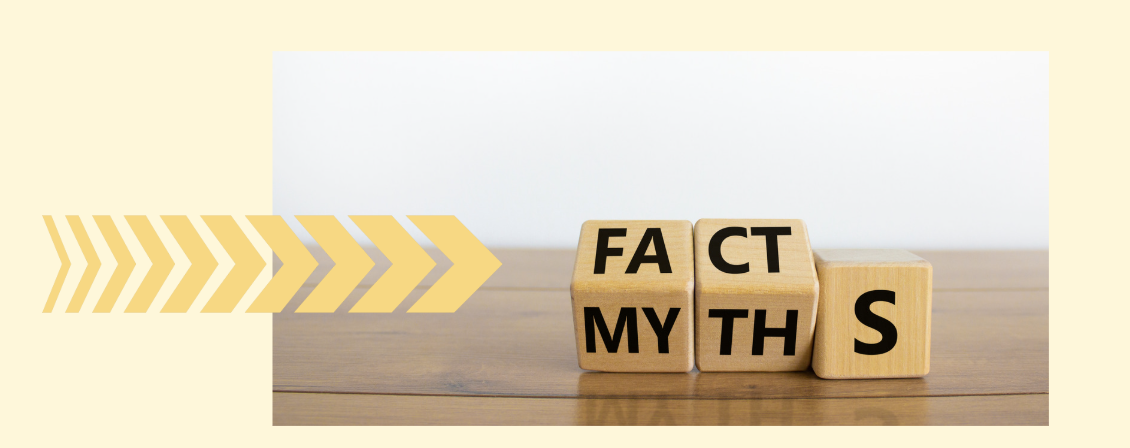
dice displaying fact vs myth
2. Giftedness Is Still Misunderstood
Many parents assume gifted children will naturally excel and excel in all areas — but this isn’t always the case.
Gifted children may:
Ask frequent, complex, layered questions and can appear disruptive in class
Process information quickly and deeply and seem to ‘rush’ through tasks
Experience strong emotions and can get easily frustrated
Have an intense sense of justice and are happy to argue their point
Hide their true abilities for fear of standing out
Struggle with perfectionism and risk-aversion
Without recognition, these behaviours can be misinterpreted as laziness, defiance, or lack of motivation.
3. One Classroom, Many Needs
New Zealand classrooms are diverse and inclusive, which is a strength—but it also means teachers balance many demands:
Large class sizes
Wide range of academic abilities
Behavioural and emotional support needs
Curriculum requirements
Differentiating instruction for gifted learners is often difficult in this environment, even for experienced teachers. Additionally training in gifted education is not widely available, funding and resources to support teachers are scarce.
4. Twice Exceptional Learners
Some gifted children also have additional neurodiversities — like Dyslexia, Dysgraphia, Dyscalculia, are autistic or have ADHD or a combination of these. These children are described as “twice exceptional” ( 2e) or multi exceptional.
Often these children can excel academically in some areas while struggling in others. For some children the strength in one area can mask or overshadow the difficulties they experience in other areas completely.
Limited awareness or training in New Zealand schools means 2e children are often misunderstood, leaving their strengths overlooked and their challenges unaddressed.

Stack of dice with facial expressions on their front displaying a variety of emotions
5. Emotional Intensity Can Create Struggles
Gifted children often feel more deeply than their peers and often their emotions last longer and more intensely when compared to their age peers. Emotional intensity can be a gift—but in a classroom setting, it’s sometimes misread as behavioural issues.
Common traits include:
Heightened sensitivity - feelings being hurt and the child is surprisingly upset and for a long time
Strong empathy - the child feels deeply the emotions of others, this can be also be animals
Perfectionism - everything must be completed to the highest standard or it’s a failure
Intense responses to injustice - wrongs must be set right before the child can move on.
Understanding this emotional profile is key to supporting gifted learners at school.
6. Boredom and Lack of Challenge
Many gifted children become disengaged when work feels too easy, is presented to slowly or repetitive. This can lead to:
Underachievement and disengagement
Behaviour issues in class, the child will create it’s ‘own entertainment’
Loss of confidence and their mental wellbeing suffers
School avoidance that can lead to early school drop-outs
Boredom and disengagement are not laziness—it’s a sign that their learning needs aren’t being met adequately.
7. The “They Should Be Fine” Myth
Because gifted children can often cope, their struggles are easy to miss.
Parents may hear, “They’re smart—they’ll be fine,” but coping is not thriving. Without proper support, gifted children can experience anxiety, low self-esteem, and academic frustration and this can lead to mental wellbeing issues, underachievement or even early drop out from school.
Supporting Your Gifted Child in Aotearoa New Zealand
If your gifted child is struggling, remember: there is nothing wrong with them.
What you’re seeing is often the result of a mismatch between how your child learns best and how the school system is set up.
To support your gifted child:
Build a respectful relationship with your child’s teachers and education setting. Educators will be more willing to explore options on how to nurture your bright child if you are working collaboratively. Don’t expect the teacher to have all the answers or provide everything you need. Work on this together and keep the teacher on your side.
Advocate and help create or provide differentiated learning opportunities and look out for educational settings that support your child’s learning needs with tailored support or are open minded to take on this challenge
Seek educators who understand gifted learners, their social & emotional and learning needs
Explore enrichment and extension programmes and after school activities that match your child’s interests
Pay attention to emotional wellbeing, not just academic performance
With the right understanding and support, gifted children can thrive—both in school and in life.
If your gifted child is struggling at school in Aotearoa New Zealand, you’re not alone.
Contact us at The Bright Line to learn how to support their unique needs and help them thrive. We would love to hear from you.
Gifted Children and Neurodivergence: Why Bright Kids Still Need Support
Many parents are surprised to learn that giftedness is part of neurodivergence.
If your child is bright, curious, and learns quickly—but also struggles with anxiety, perfectionism, or friendships—you’re not imagining it.
Gifted children can have complex emotional and developmental needs that are often overlooked because their strengths are so visible.
Understanding how giftedness fits within neurodivergence is the first step toward supporting your child in a way that truly helps them thrive.
What Is Neurodivergence?
Neurodivergence refers to brains that process information, learning, and the world differently.
It includes profiles such as:
Dyslexia
Dysgraphia
ADHD
Autism (ASD)
Giftedness
Or a combination of these
At its core, neurodivergence is about recognising that there is no single “normal” way to think or learn.
Every child deserves to be supported in a way that works for them—so they can feel confident, capable, and understood.

Are Gifted Children Neurodivergent?
Yes - gifted children are increasingly recognised as part of the neurodivergent community.
However, they are often misunderstood.
Because they can:
Learn quickly
Use advanced language
Show strong reasoning skills
…their challenges are frequently overlooked.
There is a common assumption:
“If they’re doing well academically, they’ll be fine.”
But many parents know this isn’t the full picture.
The Hidden Challenges of Gifted Children
Giftedness is not just about advanced ability—it often comes with intensity.
Many gifted children experience:
Perfectionism and fear of failure
Anxiety and overthinking
High expectations of themselves
Emotional sensitivity
Difficulty with friendships or fitting in
A strong sense of justice and fairness
These traits can create a complex mix that is hard for both the child and the adults around them to navigate.
When Bright Children Struggle
One of the most confusing experiences for parents is seeing their child excel in one area and struggle in another.
You might notice:
A child reading years ahead but refusing to try new things
Strong verbal skills but difficulty connecting with peers
High potential but low motivation or school refusal
This uneven development is common in gifted children—and it often leads to misunderstandings.
Instead of recognising a need for support, adults may assume:
“They’re just being difficult”
“They need to try harder”
“They’ll grow out of it”
But gifted children don’t need more pressure.
They need the right kind of support.
Why Gifted Children Still Need Support

Gifted children don’t just need extension or enrichment—they need support for their emotional wellbeing, identity, and development.
Without this, you may see:
Anxiety
Disengagement from school
Low self-esteem
A sense of not belonging
With the right support, however, gifted children can:
Build confidence and resilience
Learn to navigate challenge and imperfection
Develop a strong sense of self
Thrive both academically and emotionally
Supporting Your Gifted Child
Supporting a gifted child starts with understanding their full profile—not just their strengths.
This might include:
Recognising perfectionism and anxiety early
Creating psychologically safe environments
Adjusting expectations (not just raising them)
Supporting social and emotional development
Advocating for appropriate support at school
There is no one-size-fits-all approach—but there is a more informed and compassionate one.
A More Inclusive View of Neurodiversity
As conversations around neurodiversity grow, it’s important that gifted children are included.
Because their challenges are often invisible.
Because their needs are often misunderstood.
And because being “bright” doesn’t mean being “fine.”
Every child deserves to feel understood, supported, and able to thrive—not just academically, but as a whole person.
If This Sounds Like Your Child
If you’re recognising your child in this, you’re not alone.
Many parents of gifted children feel confused by the mix of strengths and struggles they see.
What’s one thing you wish others better understood about your child?
If you’re looking for guidance or support, you don’t have to figure this out on your own.
The Moment You Realise Your Child Thinks Differently
Many parents of gifted children can recall a very specific moment when something clicked.
It might have been a question your child asked—one that stopped you in your tracks.
An observation that felt far beyond their years.
Or a conversation that made you realise: they’re seeing the world differently.
At first, it can feel surprising. Sometimes exciting.
And often… a little confusing too.
Because alongside that spark of recognition comes a quiet question:
What does this actually mean for my child?

It Often Starts Small
These moments are rarely dramatic.
They show up in everyday life:
A four-year-old asking about the concept of infinity
A six-year-old questioning fairness or justice in a deeply nuanced way
A child who makes unexpected connections others don’t see
A level of curiosity that doesn’t switch off
Individually, these moments might seem like quirks.
But over time, a pattern begins to emerge.
Thinking Differently Isn’t Just About Being “Smart”
One of the biggest shifts for parents is realising that giftedness isn’t just about academic ability.
It’s about how a child thinks, feels, and experiences the world.
Gifted children often:
Process information deeply and quickly
Ask complex, layered questions
Notice inconsistencies others overlook
Experience emotions with intensity
Seek meaning and understanding, not just answers
This difference can be incredible—but it can also create challenges.
When Difference Becomes Misunderstood
Many parents expect that being “ahead” will make school easier.
But for some gifted children, the opposite happens.
They may:
Feel bored or disengaged
Become frustrated with repetition
Mask their abilities to fit in
Be labelled as distracted, sensitive, or even defiant
This is often the point where confusion sets in.
How can a child who is so capable be struggling?

The Turning Point for Parents
That early moment of recognition—they think differently—is more important than it might seem.
It’s often the beginning of a shift:
From questioning your child…
To understanding them.
From trying to fit them into existing systems…
To advocating for what they actually need.
From feeling unsure…
To seeking clarity and support.
Trust What You’re Seeing
Many parents second-guess themselves in the early stages.
You might wonder:
Am I overthinking this?
Is this just a phase?
Should I wait and see?
But those early observations matter.
They are often the first indicators of a child whose needs may not be immediately visible in a traditional classroom.
You’re Not Alone in This
If you’ve had a moment like this with your child—where something just felt different—you’re in very good company.
For many families, that moment becomes the starting point of a deeper journey:
Understanding their child, navigating school, and finding the right kind of support.
And while it can feel uncertain at first, it’s also the beginning of something important.
Because when gifted children are understood, they don’t just stand out—they begin to thrive.
Did you have a moment like this with your child?
I’d love to hear your experience—feel free to share or reach out.